Every coin page has a “Grade” line: Proof, UNC, XF and other abbreviations. They describe two different things that are often confused: how the coin was struck and how well it has survived.
Strike quality
This is how the coin left the mint.
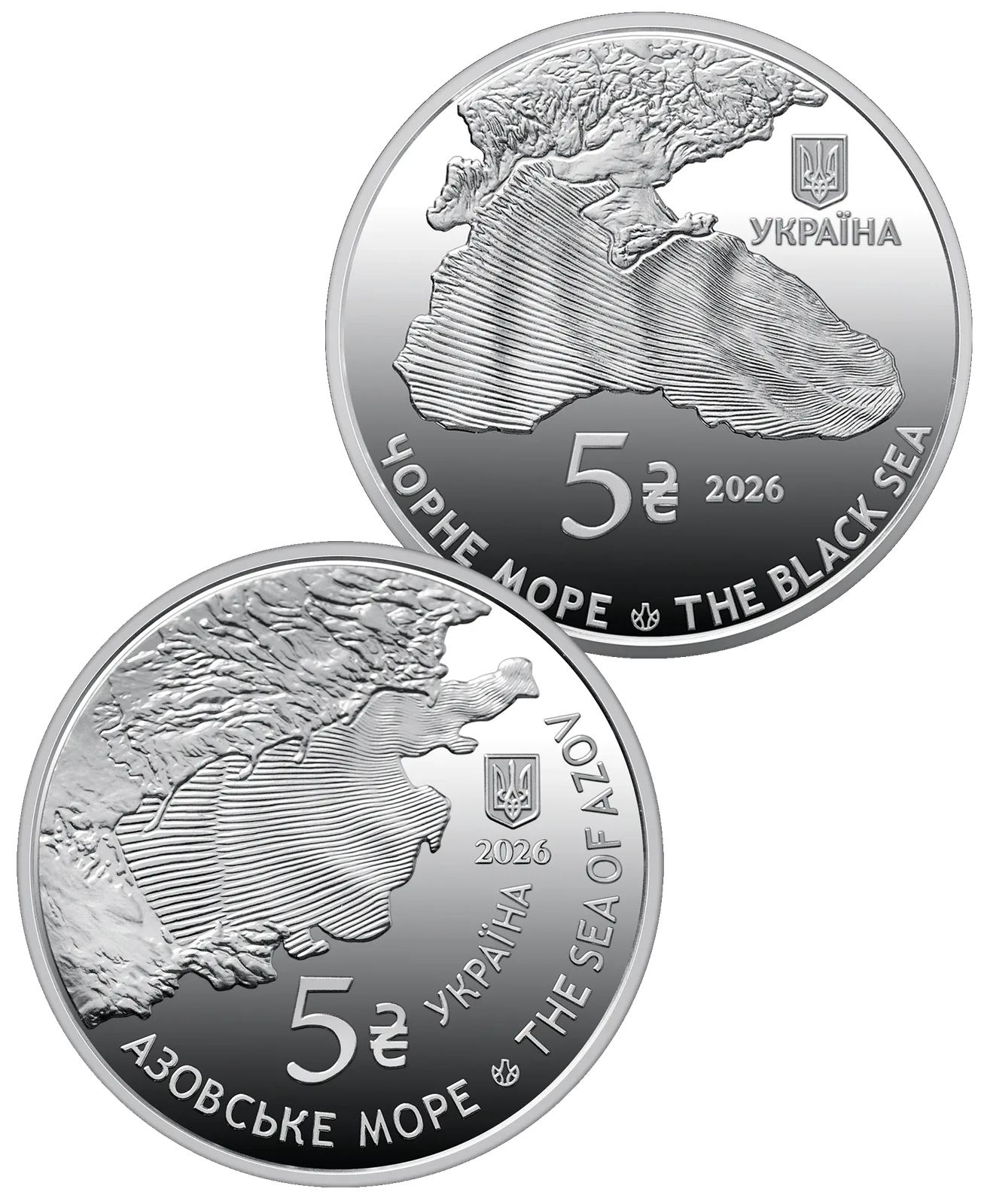
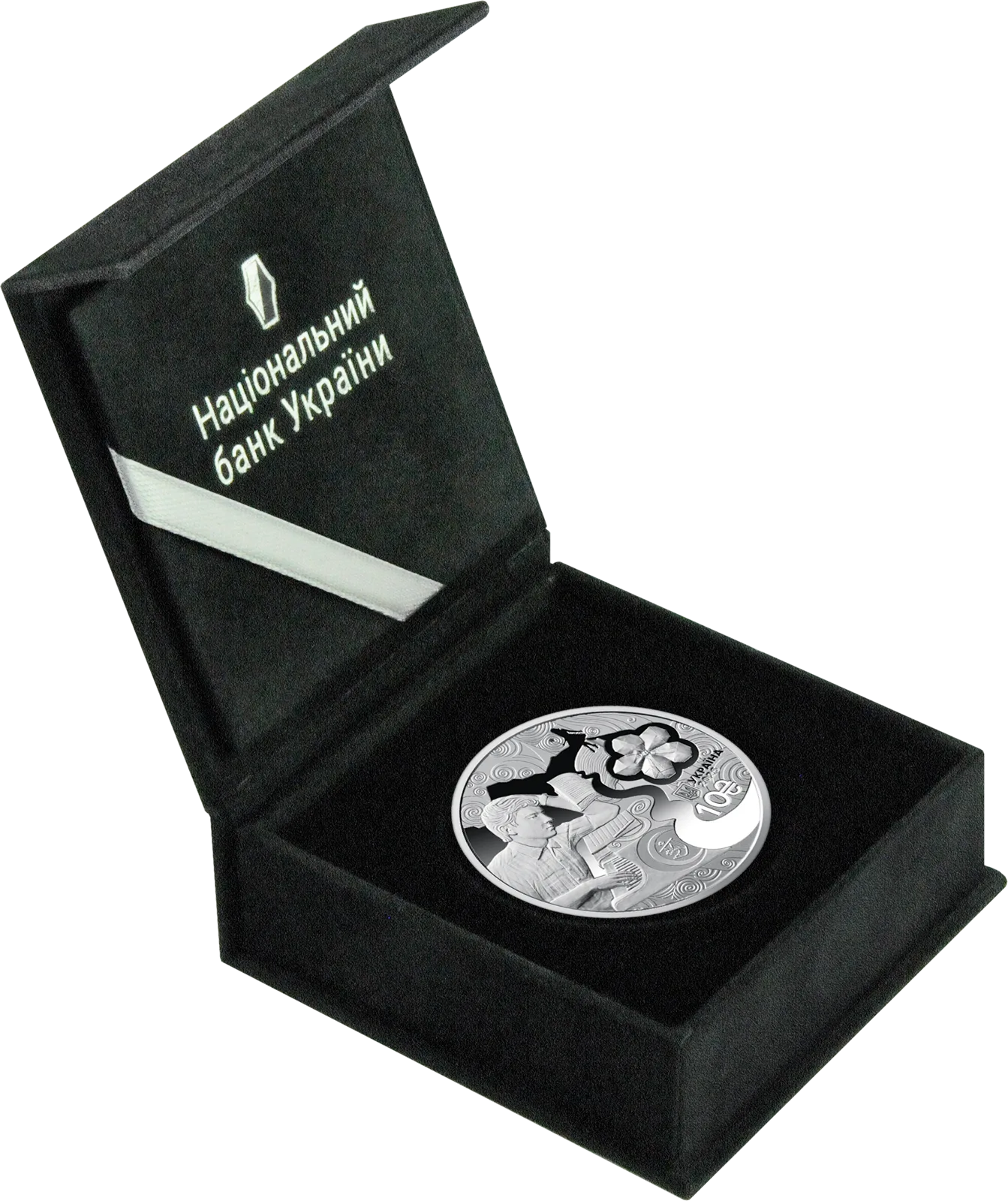
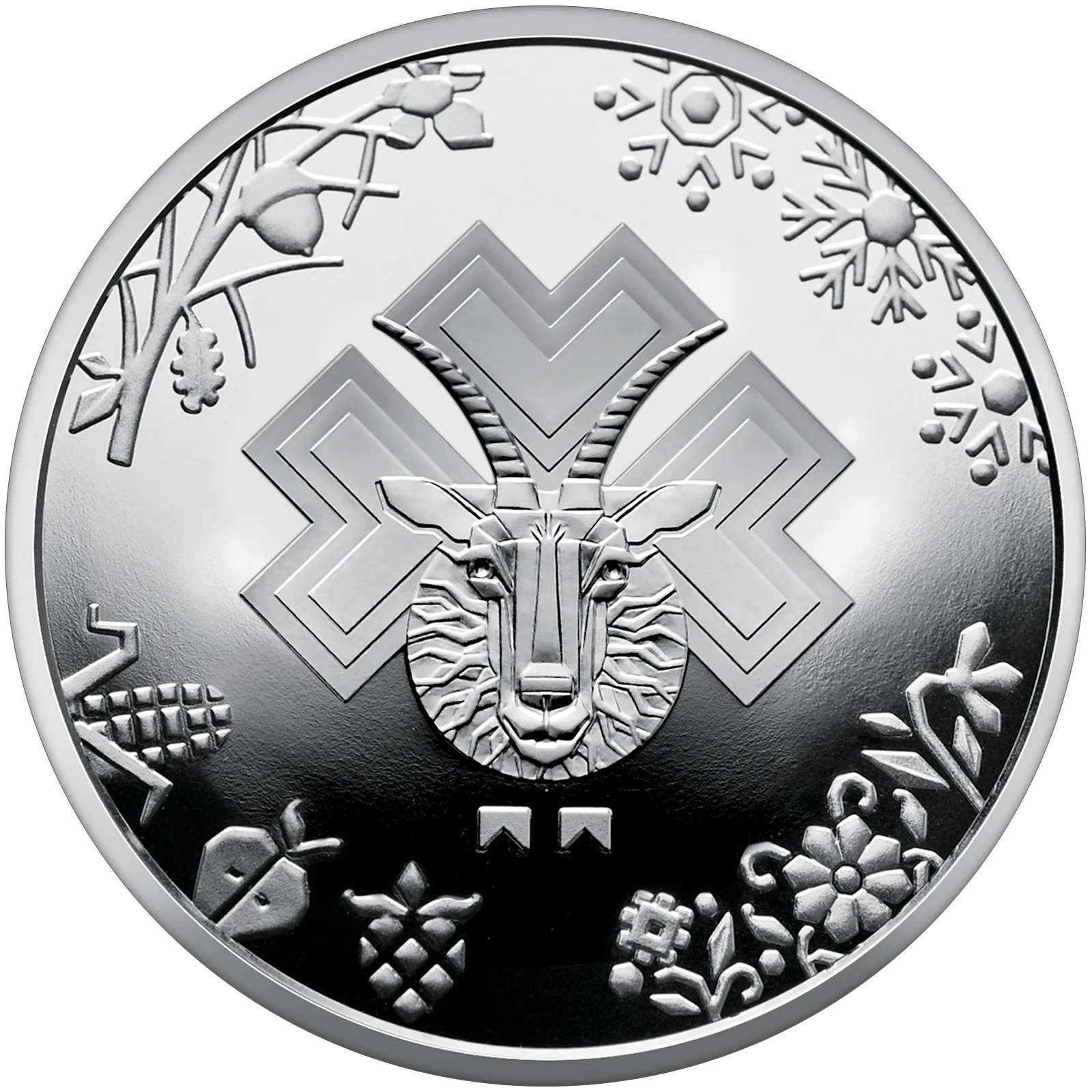
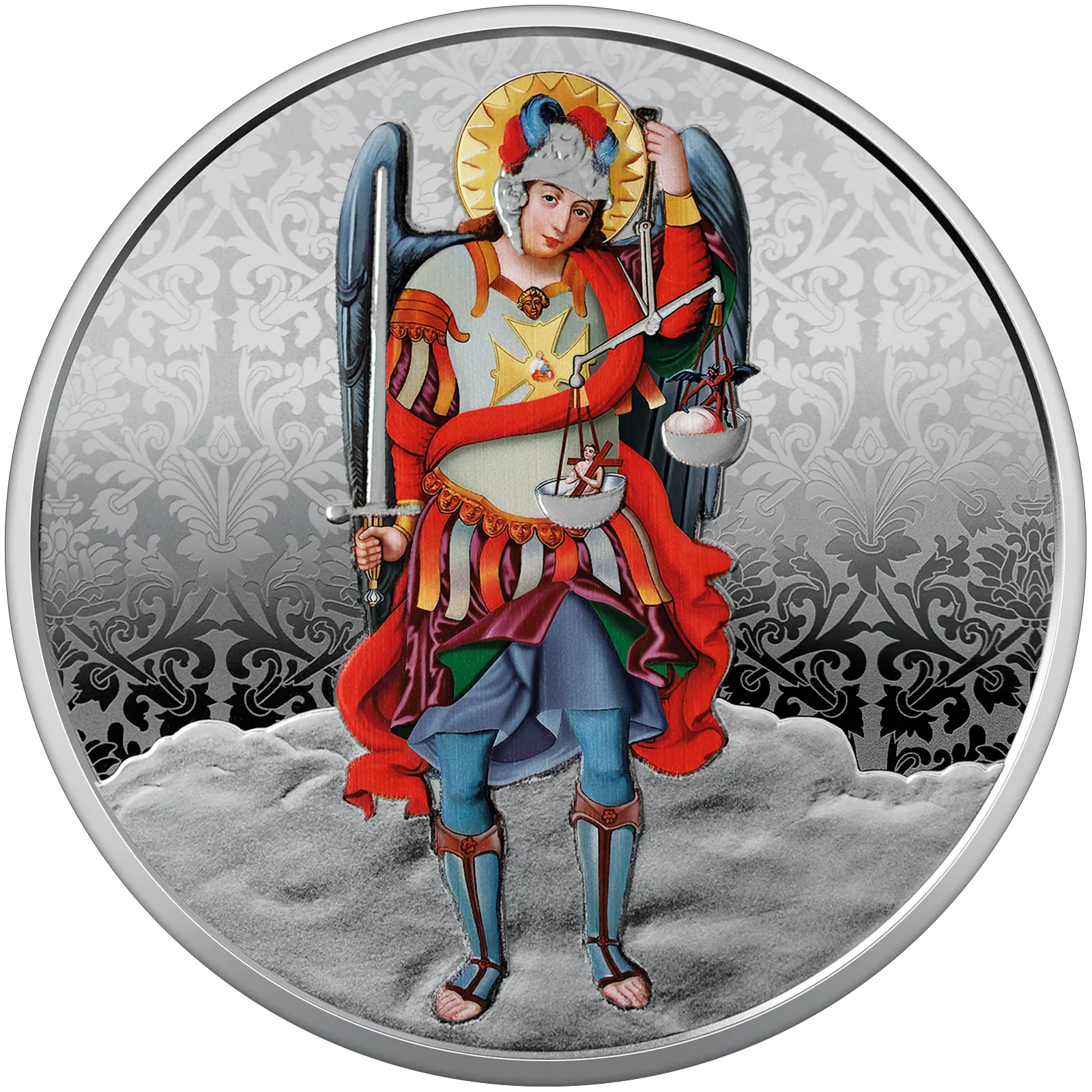
- Proof. The highest quality. Coins are struck with polished dies on specially prepared blanks. The typical sign is a mirror field with frosted relief. These coins are made for collectors only.
- Uncirculated. A coin of standard strike quality that has never been in circulation.
- Special uncirculated. An intermediate category used by the National Bank of Ukraine: better than standard quality, with a simpler process than proof. Most modern NBU commemorative coins are issued in this finish.
Strike quality does not change over time. A proof stays a proof even if it gets scratched; it simply becomes a proof in poor condition.
State of preservation
This is what happened to the coin after it was struck. The scale used worldwide runs from best to worst:
- UNC: no signs of circulation. The coin looks as it did when it left the mint.
- AU: about uncirculated. Barely visible wear on the highest points of the relief.
- XF: extremely fine. Light wear, all small details readable.
- VF: very fine. Noticeable wear on high points, but the design is clear.
- F: fine. The relief is smoothed, main details survive.
- VG and G: very good and good. Heavy wear, only outlines and legends are readable.
Why it affects the price so much
For modern commemorative coins UNC or proof is the norm: they never circulated and were kept in capsules. Any flaw, such as a fingerprint, scratch or spot, lowers the price at once.
With old coins it is the other way round: few flawless pieces survive, so the gap between VF and XF can mean a price several times higher.
Three practical tips
- Judge a coin by the highest points of its relief: they wear first.
- Look at the field at an angle to the light. That is how fine scratches and traces of cleaning show.
- Do not try to “improve” the condition. A cleaned coin is valued below an uncleaned one with the same wear.
To keep the condition of a coin you already own, read “How to store coins”.